Transcatheter Aortic Valve Implantation
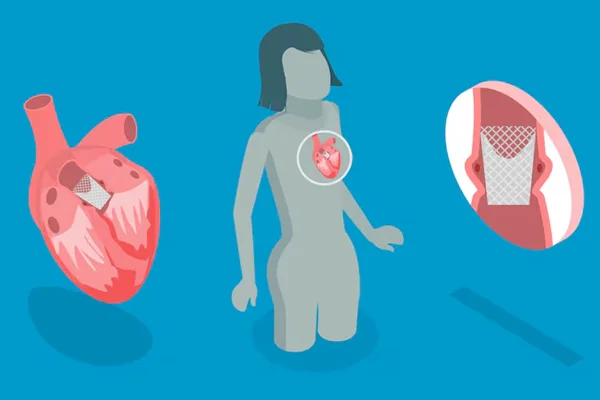
Transcatheter Aortic Valve Implantation
Transcatheter Aortic Valve Implantation (TAVI) is a minimally invasive heart procedure used to treat selected patients with aortic valve disease, particularly severe aortic stenosis. Instead of replacing the diseased valve through conventional open-heart surgery, TAVI allows a new valve to be delivered through a catheter and positioned within the existing aortic valve.
Dr. Pradeep Kumar Bansal, Chief Interventional Cardiologist and Heart Failure in Jaipur, provides specialised evaluation and interventional cardiac care for patients with complex heart and valve conditions. With MBBS, MD in Internal Medicine from SMS Medical College, Jaipur, and DM in Cardiology, he has advanced training in cardiology and interventional cardiac procedures.
What Is Transcatheter Aortic Valve Implantation?
The aortic valve controls blood flow from the heart's left ventricle into the aorta. In aortic stenosis, the valve becomes narrowed and does not open normally, making it harder for the heart to pump blood efficiently.
TAVI is a catheter-based procedure in which a replacement valve is guided to the heart and implanted within the diseased aortic valve. The procedure is performed without removing the existing valve surgically. Once positioned appropriately, the replacement valve begins functioning to support blood flow through the aortic valve.
The suitability of TAVI depends on several factors, including the severity of valve disease, symptoms, age, overall health, anatomy, and assessment by the treating cardiac team.
Who May Need TAVI?
Transcatheter Aortic Valve Implantation may be considered for selected patients with significant aortic valve narrowing. Patients may experience symptoms such as:
- Breathlessness
- Chest discomfort
- Fatigue
- Dizziness or fainting
- Reduced ability to perform physical activities
- Swelling associated with cardiac problems
Not everyone with aortic stenosis requires valve replacement. A detailed cardiac assessment is important to determine the severity of the condition and the most appropriate treatment approach.
How Is TAVI Performed?
TAVI is performed using a catheter-based technique. A specially designed catheter is introduced through a blood vessel and carefully guided toward the heart and aortic valve.
The replacement valve is carried through the catheter to the appropriate position. Once correctly positioned, the new valve is expanded or deployed within the diseased valve. The replacement valve then functions as the new pathway for blood flow.
The access route, valve type, procedural approach, and other technical considerations depend on the patient's individual anatomy and clinical condition.
Benefits of TAVI
For appropriately selected patients, TAVI offers a minimally invasive approach to aortic valve replacement. Potential advantages may include:
- Catheter-based treatment
- Avoidance of conventional open-heart valve replacement in suitable patients
- Potentially shorter hospital recovery compared with some surgical approaches
- Improvement in symptoms caused by severe aortic valve narrowing
- Restoration of more effective blood flow through the aortic valve
The expected benefits and risks vary between patients and should be discussed with an experienced cardiology team.
TAVI for Aortic Stenosis
Severe aortic stenosis can place significant strain on the heart. As the valve becomes increasingly narrowed, the heart may need to work harder to pump blood through the restricted opening.
Early evaluation can help identify the severity of valve disease and determine whether medical management, monitoring, TAVI, or another intervention may be appropriate.
A comprehensive assessment may include clinical examination, echocardiography, cardiac imaging, and other investigations as required.
Evaluation Before TAVI
Before recommending TAVI, the cardiac team evaluates multiple aspects of the patient's health and heart condition. Assessment may include:
- Medical and cardiac history
- Physical examination
- Echocardiography
- Cardiac imaging
- Assessment of aortic valve anatomy
- Evaluation of blood vessels and access routes
- Overall surgical and procedural risk
- Other existing medical conditions
This detailed evaluation helps the cardiac team determine whether TAVI is appropriate and select a suitable treatment strategy.
Specialised Valve Intervention in Jaipur
Patients diagnosed with significant aortic valve disease can consult Dr. Pradeep Kumar Bansal, Chief Interventional Cardiologist and Heart Failure in Jaipur, for specialised cardiac evaluation and treatment planning.
With advanced cardiology qualifications and experience in interventional cardiac care, Dr. Bansal focuses on comprehensive assessment and personalised management of patients with cardiovascular and structural heart conditions.
Why Choose Dr. Pradeep Kumar Bansal?
- DM in Cardiology
- MD in Internal Medicine from SMS Medical College, Jaipur
- Former Assistant Professor of Cardiology at UNMICRC, BJMC, Ahmedabad
- Chief Interventional Cardiologist & Heart Failure Specialist
- Gold Member of the Heart Failure Association of India
- Specialised expertise in interventional cardiology
- Patient-focused approach to cardiac evaluation and treatment planning
When Should You Consult a Cardiologist?
Persistent breathlessness, chest discomfort, dizziness, fainting, unusual fatigue, or reduced exercise tolerance should be medically evaluated, especially when a patient has known heart or valve disease.
Patients already diagnosed with aortic stenosis should follow their cardiologist's recommended monitoring schedule. When the condition becomes severe or symptomatic, valve intervention may be considered after detailed assessment.
Frequently Asked Questions
What is Transcatheter Aortic Valve Implantation?
TAVI is a minimally invasive catheter-based procedure used to replace a diseased aortic valve in selected patients with significant aortic valve disease.
Is TAVI the same as open-heart valve replacement?
No. TAVI uses a catheter to deliver and implant a replacement valve, whereas conventional surgical valve replacement involves open-heart surgery.
Who is suitable for TAVI?
Suitability depends on the severity of aortic valve disease, symptoms, heart anatomy, overall health, age, and assessment of procedural and surgical risks.
What condition does TAVI commonly treat?
TAVI is commonly used to treat significant aortic stenosis, where narrowing of the aortic valve restricts blood flow from the heart.
How is TAVI performed?
A replacement valve is delivered through a catheter inserted into a blood vessel and guided to the heart, where it is positioned within the diseased aortic valve.
Where can I consult for TAVI in Jaipur?
You can consult Dr. Pradeep Kumar Bansal, Chief Interventional Cardiologist and Heart Failure in Jaipur, for evaluation of aortic valve disease and appropriate treatment planning.
Conclusion
Transcatheter Aortic Valve Implantation is an important minimally invasive option for selected patients with significant aortic valve disease. Proper patient selection, detailed cardiac assessment, and careful procedural planning are essential for achieving an appropriate treatment outcome.
Dr. Pradeep Kumar Bansal provides specialised interventional cardiology and heart failure care in Jaipur, with a focus on comprehensive cardiac evaluation and personalised treatment planning for patients with complex cardiovascular conditions.