Coronary Stenting
Coronary Stenting
Coronary artery disease occurs when the blood vessels supplying the heart muscle become narrowed or blocked due to the buildup of plaque. Reduced blood flow to the heart can cause symptoms such as chest discomfort, breathlessness, fatigue, or reduced exercise tolerance. In certain patients, Coronary Stenting may be recommended to restore blood flow through a narrowed coronary artery.
Dr. Pradeep Kumar Bansal, Chief Interventional Cardiologist and Heart Failure in Jaipur, provides specialised interventional cardiac care for patients requiring evaluation and treatment of coronary artery disease. With advanced training in cardiology and experience in interventional procedures, he focuses on appropriate treatment planning based on each patient's cardiac condition.
What Is Coronary Stenting?
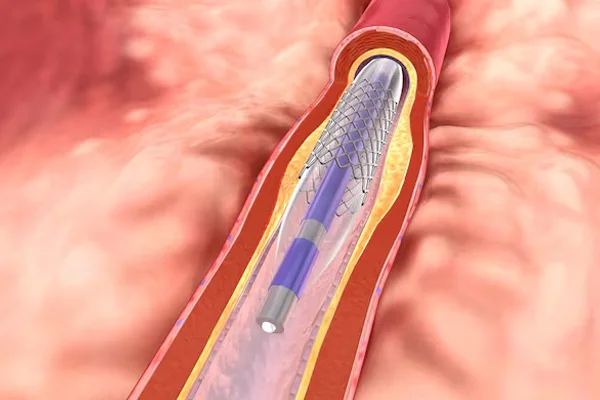
Coronary stenting is a minimally invasive procedure used to help keep a narrowed or blocked coronary artery open. It is generally performed as part of coronary angioplasty, where a catheter is used to reach the affected blood vessel.
A small balloon may be used to widen the narrowed section of the artery. A stent, which is a small mesh-like tube, can then be placed at the treated area to support the artery and help maintain blood flow.
The decision to perform coronary stenting depends on the location and severity of the blockage, symptoms, test results, and the overall condition of the patient's coronary arteries.
Who May Need Coronary Stenting?
Coronary stenting may be considered for selected patients with significant narrowing or blockage in the coronary arteries. The procedure is not automatically required for every person with coronary artery disease.
A cardiologist may assess factors such as:
- Severity of coronary artery narrowing
- Location of the blockage
- Number of affected arteries
- Symptoms and their impact
- Results of cardiac investigations
- Overall heart function
- Presence of other cardiovascular risk factors
A detailed evaluation helps determine whether coronary stenting, medical management, or another treatment approach is appropriate.
How Is Coronary Stenting Performed?
Coronary stenting is performed using a catheter-based technique rather than conventional open-heart surgery.
The general procedure involves:
- Accessing a blood vessel through an appropriate entry site.
- Guiding a thin catheter toward the coronary arteries.
- Using imaging to identify the location and characteristics of the blockage.
- Carefully advancing specialised equipment to the narrowed area.
- Expanding the narrowed segment when required.
- Positioning the stent at the treatment site.
- Expanding the stent to support the artery.
- Confirming improved blood flow through the treated vessel.
The exact technique varies according to the patient's coronary anatomy and the complexity of the blockage.
Role of Coronary Angiography
Coronary angiography is an important diagnostic investigation used to visualise the coronary arteries. It helps the cardiologist identify areas of narrowing or blockage and understand the pattern of coronary artery disease.
When coronary intervention is being considered, angiographic findings can assist in determining the location and severity of the lesion and help guide treatment planning.
For complex or uncertain lesions, additional assessment may be considered where clinically appropriate.
Individualised Stenting Strategy
Every coronary blockage is different. The location, length, severity, and characteristics of a lesion can influence the choice of treatment.
Dr. Pradeep Kumar Bansal follows an individualised approach to coronary intervention, with treatment decisions based on the patient's clinical condition and coronary anatomy.
Depending on the case, the interventional strategy may involve careful lesion assessment and appropriate procedural planning to achieve effective treatment while considering the patient's overall cardiac health.
Coronary Stenting for Coronary Artery Disease
Coronary artery disease can develop gradually and may remain unnoticed until symptoms become more significant. Some patients may experience chest discomfort during physical activity, while others may develop symptoms such as breathlessness or unusual fatigue.
In certain situations, coronary artery blockage can contribute to an acute cardiac event. Patients experiencing sudden or severe chest pain, particularly when accompanied by breathlessness, sweating, nausea, or discomfort spreading to the arm or jaw, require urgent medical attention.
For patients diagnosed with significant coronary artery disease, a cardiologist evaluates the condition and determines the most suitable treatment strategy.
Benefits of Coronary Stenting
For appropriately selected patients, coronary stenting can help restore blood flow through a narrowed coronary artery.
Potential benefits may include:
- Improved blood flow through the treated artery
- Relief of symptoms related to reduced coronary blood flow
- Minimally invasive treatment
- No conventional open-heart incision
- Catheter-based treatment approach
- Support for maintaining the treated artery's opening
The expected outcome depends on the patient's condition, the extent of coronary artery disease, and other individual health factors.
Recovery After Coronary Stenting
Recovery following coronary stenting varies from patient to patient. The treating cardiologist provides specific instructions based on the procedure and the patient's overall health.
Patients may be advised regarding medication, physical activity, diet, follow-up appointments, and management of cardiovascular risk factors.
Following the recommended treatment plan and attending regular cardiac follow-ups are important components of long-term heart care.
Coronary Stenting in Jaipur
Patients diagnosed with coronary artery disease may require specialised evaluation by an experienced interventional cardiologist. Coronary Stenting in Jaipur provides patients with access to catheter-based treatment for selected coronary artery blockages.
Dr. Pradeep Kumar Bansal is a Chief Interventional Cardiologist and Heart Failure in Jaipur. He has completed MBBS, MD in Internal Medicine from SMS, Jaipur, and DM in Cardiology.
He has also served as a Former Assistant Professor of Cardiology at UNMICRC, BJMC, Ahmedabad, and is a Gold Member of the Heart Failure Association of India.
Dr. Pradeep Kumar Bansal provides cardiac evaluation and interventional treatment planning at Dhanwantari Hospital and Research Centre, Mansarovar, Jaipur.
Why Choose Dr. Pradeep Kumar Bansal?
Choosing the right cardiac specialist is important when coronary artery disease requires interventional treatment. Dr. Pradeep Kumar Bansal combines advanced cardiology training with clinical experience in interventional cardiac care.
Patients benefit from:
- Advanced interventional cardiology expertise
- Detailed assessment of coronary artery disease
- Individualised treatment planning
- Focus on appropriate minimally invasive intervention
- Comprehensive cardiac evaluation
- Patient-centred treatment approach
His approach focuses on understanding the patient's cardiac condition before recommending an appropriate treatment pathway.
When Should You Consult a Cardiologist?
A cardiology consultation may be appropriate when symptoms such as recurrent chest discomfort, breathlessness, unexplained fatigue, or reduced exercise tolerance are present.
Patients who have already been diagnosed with coronary artery disease may also require specialist assessment to determine the most appropriate treatment.
Anyone experiencing sudden, severe, or persistent chest pain should seek emergency medical attention rather than waiting for a routine consultation.
Frequently Asked Questions
1. What is coronary stenting?
Coronary stenting is a minimally invasive procedure used to support a narrowed coronary artery and help restore blood flow through the treated vessel.
2. Is coronary stenting the same as angioplasty?
Coronary stenting is commonly performed during coronary angioplasty. Angioplasty uses a catheter-based technique to treat the narrowed artery, while a stent may be placed to support the treated area.
3. Who performs Coronary Stenting in Jaipur?
Dr. Pradeep Kumar Bansal is a Chief Interventional Cardiologist and Heart Failure in Jaipur with advanced training in cardiology and interventional cardiac care.
4. How is coronary stenting performed?
A thin catheter is guided through a blood vessel to the affected coronary artery. The narrowed area is treated and a stent may be positioned to support the artery and improve blood flow.
5. Is coronary stenting suitable for every blockage?
No. Treatment depends on the location and severity of the blockage, coronary anatomy, symptoms, investigation results, and overall cardiac condition.
6. Where can I consult Dr. Pradeep Kumar Bansal?
Dr. Pradeep Kumar Bansal provides specialised cardiac care at Dhanwantari Hospital and Research Centre, Mansarovar, Jaipur.
Conclusion
Coronary Stenting in Jaipur is an important interventional treatment option for selected patients with significant narrowing or blockage of the coronary arteries. Through a catheter-based approach, a stent can be positioned within the treated artery to help maintain blood flow.
Dr. Pradeep Kumar Bansal, Chief Interventional Cardiologist and Heart Failure Specialist, provides comprehensive evaluation and personalised treatment planning for patients with coronary artery disease. His advanced cardiology training and interventional expertise support patient-focused cardiac care in Jaipur.