Conduction System Pacing and Leadless Pacemaker
Conduction System Pacing and Leadless Pacemaker
Heart rhythm disorders can sometimes cause the heart to beat too slowly or irregularly, making pacemaker-based treatment necessary in selected patients. Advances in cardiac pacing have introduced specialised approaches such as Conduction System Pacing and Leadless Pacemakers, offering alternative pacing strategies for appropriate patients.
Dr. Pradeep Kumar Bansal, Chief Interventional Cardiologist and Heart Failure in Jaipur, provides specialised cardiac care with expertise in advanced cardiac electrical devices. Conduction system pacing and leadless pacemaker therapy may be considered after detailed evaluation of the patient's heart rhythm, symptoms, medical history and pacing requirements.
What Is Conduction System Pacing?
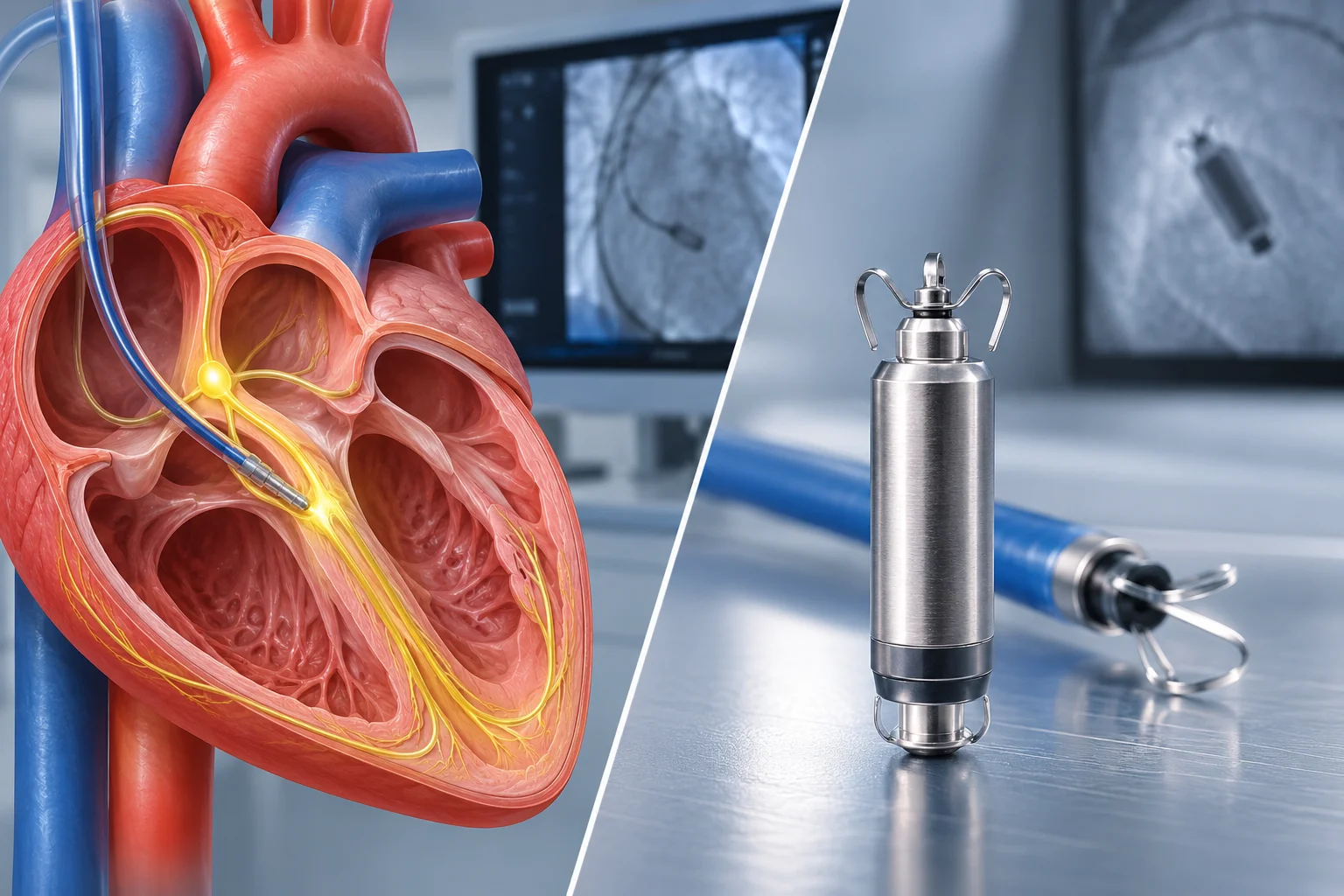
Conduction System Pacing is an advanced pacing technique designed to stimulate the heart's natural electrical conduction pathways more directly.
Traditional pacing may stimulate the heart muscle from a specific pacing location. Conduction system pacing aims to activate the heart through areas of its natural electrical conduction system, which may provide a more physiological pattern of ventricular activation in selected patients.
The two commonly discussed approaches include pacing of the His bundle and left bundle branch area.
The most suitable approach depends on the patient's heart rhythm condition, conduction system, anatomy and overall clinical requirements.
Why Is Conduction System Pacing Used?
The heart's electrical conduction system coordinates the timing of cardiac contractions. When this system is affected by conduction abnormalities, the heart rate or rhythm may become inadequate.
In selected patients who require permanent pacing, conduction system pacing can provide an alternative approach to conventional pacing.
Potential considerations include:
- Slow heart rhythm requiring pacing
- Certain conduction disorders
- Selected patients requiring long-term pacing
- Patients where physiological ventricular activation is an important treatment consideration
The decision is made after a detailed cardiac and rhythm assessment.
How Is Conduction System Pacing Performed?
Conduction system pacing is performed using a catheter-based pacemaker implantation technique.
A specialised pacing lead is carefully positioned within the heart to target the appropriate part of the conduction system. Electrical testing is performed to assess the pacing response and confirm appropriate lead positioning.
The lead is then connected to the pacemaker device, which delivers electrical impulses when pacing is required.
The exact technique depends on the patient's conduction abnormality and the pacing strategy selected by the cardiologist.
What Is a Leadless Pacemaker?
A Leadless Pacemaker is a compact pacemaker device designed to provide cardiac pacing without the traditional transvenous pacing lead and chest pocket used in conventional pacemaker systems.
The small device is positioned inside the heart through a catheter-based procedure. It contains the pacing components within the device itself and delivers electrical stimulation when required.
Leadless pacing may be considered for selected patients based on their heart rhythm condition, anatomy, medical history and specific pacing requirements.
How Does a Leadless Pacemaker Work?
A leadless pacemaker is delivered through a catheter, generally through a blood vessel, and guided into the heart.
Once positioned appropriately, the device is secured within the heart and programmed according to the patient's pacing requirements.
Unlike conventional pacemakers, a leadless system does not require a separate chest incision for a pacemaker pocket or a traditional pacing lead running through the veins.
The cardiologist determines whether a leadless system is appropriate after evaluating the patient's individual circumstances.
Who May Be Considered for a Leadless Pacemaker?
Leadless pacemaker therapy may be considered in selected patients who require pacing and meet the clinical criteria for this type of device.
Potential considerations include:
- Patients requiring permanent pacing
- Selected patients where avoiding a traditional pacing pocket is desirable
- Certain patients with venous access considerations
- Patients for whom a leadless pacing approach is clinically appropriate
Leadless pacemakers are not suitable for every patient. A detailed assessment is required before selecting this treatment.
Conduction System Pacing vs Leadless Pacemaker
Conduction system pacing and leadless pacemakers represent different approaches to cardiac pacing.
Conduction System Pacing focuses on stimulating the heart's natural electrical conduction pathways using a specialised pacing lead.
Leadless Pacemaker therapy uses a small self-contained device positioned inside the heart without the traditional pacing lead and chest pocket.
The choice depends on several factors, including the patient's rhythm disorder, anatomy, pacing needs, medical history and long-term treatment considerations.
Evaluation Before Pacemaker Treatment
A detailed evaluation is important before selecting a cardiac pacing strategy.
The assessment may include:
- Medical and cardiac history
- Symptoms and their duration
- Heart rhythm evaluation
- Electrocardiogram (ECG)
- Assessment of conduction abnormalities
- Relevant cardiac investigations
- Evaluation of the patient's overall health
The findings help the cardiologist determine whether pacing is required and which pacing strategy may be appropriate.
Benefits of Advanced Pacing Approaches
When clinically appropriate, advanced pacing techniques may offer specific advantages based on the patient's individual requirements.
More Physiological Pacing
Conduction system pacing aims to utilise the heart's natural electrical pathways to support ventricular activation.
Alternative to Conventional Lead Systems
A leadless pacemaker provides pacing without a traditional transvenous pacing lead and chest pocket.
Individualised Device Selection
Different pacing technologies allow the cardiologist to select an approach according to the patient's rhythm condition and clinical needs.
Advanced Management of Rhythm Disorders
These technologies expand the available options for selected patients requiring permanent cardiac pacing.
Conduction System Pacing and Leadless Pacemaker in Jaipur
Patients requiring advanced evaluation for cardiac rhythm and pacing-related conditions can consult Dr. Pradeep Kumar Bansal, Chief Interventional Cardiologist and Heart Failure in Jaipur.
Dr. Bansal evaluates the patient's symptoms, ECG findings, conduction abnormalities, medical history and overall cardiac condition before recommending an appropriate pacing strategy.
For selected patients, Conduction System Pacing and Leadless Pacemaker in Jaipur can provide advanced options for managing conditions requiring permanent cardiac pacing.
Why Choose Dr. Pradeep Kumar Bansal?
Dr. Pradeep Kumar Bansal has advanced training in Internal Medicine and Cardiology and specialised expertise in interventional cardiology and heart failure care.
Patients can benefit from:
- Specialised cardiac and interventional expertise
- Experience with advanced cardiac electrical devices
- Detailed evaluation before device selection
- Individualised treatment planning
- Evidence-based cardiac care
- Patient-focused consultation and management
His approach focuses on selecting an appropriate treatment strategy based on the patient's individual cardiac condition rather than using a single approach for every patient.
When Should You Consult a Cardiologist?
Symptoms such as dizziness, fainting, unusual fatigue, weakness, breathlessness or episodes of an unusually slow heartbeat may require cardiac evaluation, particularly when a heart rhythm disorder is suspected.
Patients who have already been diagnosed with a conduction abnormality or have been advised to consider pacemaker treatment should undergo appropriate specialist assessment.
Early evaluation can help identify the underlying rhythm problem and determine whether monitoring, medication or a cardiac electrical device may be appropriate.
Frequently Asked Questions
1. What is Conduction System Pacing?
Conduction System Pacing is an advanced pacing technique that aims to stimulate the heart's natural electrical conduction pathways to provide a more physiological pattern of cardiac activation in selected patients.
2. What is a Leadless Pacemaker?
A Leadless Pacemaker is a small self-contained cardiac pacing device implanted inside the heart through a catheter-based procedure without the traditional pacemaker pocket and transvenous lead.
3. Is Conduction System Pacing suitable for everyone?
No. The suitability of conduction system pacing depends on the patient's rhythm disorder, conduction system, anatomy, medical history and pacing requirements.
4. Is a Leadless Pacemaker suitable for every patient?
No. Leadless pacing is appropriate only for selected patients. The cardiologist evaluates the patient's condition and pacing requirements before recommending this approach.
5. What is the difference between a traditional pacemaker and a leadless pacemaker?
A traditional pacemaker generally uses a device placed under the skin and one or more leads connected to the heart. A leadless pacemaker is a self-contained device positioned inside the heart without a conventional chest pocket and transvenous lead.
6. Where can I consult for Conduction System Pacing and Leadless Pacemaker in Jaipur?
You can consult Dr. Pradeep Kumar Bansal, Chief Interventional Cardiologist and Heart Failure in Jaipur, for detailed evaluation and specialised cardiac pacing care.
Conclusion
Conduction System Pacing and Leadless Pacemaker represent advanced approaches in the management of selected patients requiring cardiac pacing. Conduction system pacing focuses on stimulating the heart's natural electrical pathways, while leadless pacemakers provide a self-contained pacing option without a traditional pacing lead and chest pocket.
Dr. Pradeep Kumar Bansal provides specialised cardiac care in Jaipur, with an individualised approach to evaluating heart rhythm disorders and selecting appropriate cardiac electrical device strategies.