Non Surgical Valve Interventions
Non Surgical Valve Interventions
Heart valve disorders can affect the normal flow of blood through the heart and may lead to symptoms such as breathlessness, fatigue, chest discomfort or reduced exercise tolerance. While some valve conditions can be managed with medicines and regular monitoring, selected patients may require an intervention to improve valve function.
Non-Surgical Valve Interventions are catheter-based procedures designed to treat certain heart valve conditions without conventional open-heart surgery. These procedures can provide an important treatment option for appropriately selected patients, particularly when advanced interventional management is indicated.
Dr. Pradeep Kumar Bansal, Chief Interventional Cardiologist and Heart Failure in Jaipur, provides specialised cardiac care with expertise in interventional cardiology and advanced valve interventions. Treatment is planned after detailed assessment of the patient's valve condition, symptoms, medical history and overall cardiac health.
What Are Non-Surgical Valve Interventions?
Non-Surgical Valve Interventions are minimally invasive, catheter-based procedures used to treat selected heart valve disorders.
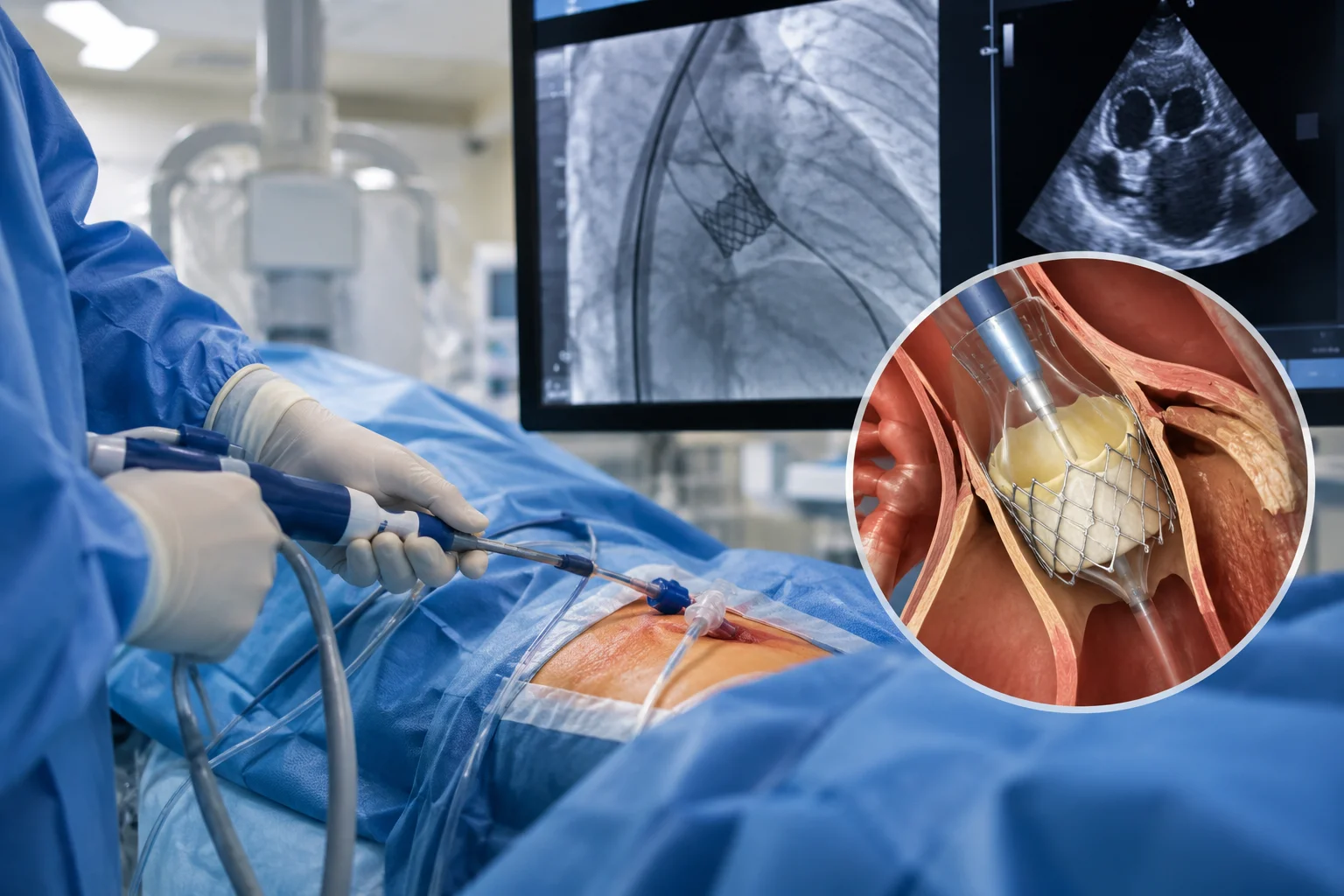
Instead of opening the chest to access the heart, specialised catheters are used to reach the affected heart valve through a blood vessel. Depending on the condition, the valve may be treated by opening a narrowed valve, improving blood flow or replacing the diseased valve using a catheter-based approach.
The appropriate procedure depends on the type and severity of valve disease, the patient's symptoms, heart function and overall medical condition.
Which Valve Conditions Can Require Intervention?
Heart valve disease can occur when a valve becomes narrowed or does not close properly.
A narrowed valve is known as stenosis, which can restrict blood flow through the heart. A valve that does not close properly may result in blood flowing backward, known as regurgitation.
Valve disorders can affect different valves of the heart, including:
- Aortic valve
- Mitral valve
- Pulmonary valve
The severity of the condition and its effect on the heart determine whether intervention is required.
Types of Non-Surgical Valve Interventions
The type of intervention is selected according to the patient's specific valve condition.
Transcatheter Aortic Valve Intervention
Patients with significant aortic valve disease may be evaluated for a catheter-based aortic valve intervention. This approach can provide an alternative to conventional surgical valve replacement in appropriately selected patients.
Balloon Valvuloplasty
Balloon valvuloplasty is a catheter-based procedure in which a specialised balloon is positioned across a narrowed heart valve and carefully inflated to improve the opening of the valve.
It may be considered for selected cases of aortic, mitral or pulmonary valve narrowing.
Other Catheter-Based Valve Interventions
Depending on the valve condition and clinical requirements, selected patients may undergo other non-surgical valve-based interventions. Detailed cardiac imaging and specialist evaluation are important before deciding on the appropriate treatment.
How Are Non-Surgical Valve Interventions Performed?
The exact procedure depends on the valve being treated and the intervention selected.
In general, a catheter is introduced through a blood vessel and carefully guided toward the heart. Specialised equipment is then used to treat the affected valve.
During the procedure, the cardiology team monitors the patient's heart rhythm, blood pressure and other important parameters.
Advanced cardiac imaging may be used to guide the procedure and assess the valve before, during and after intervention.
Who May Need Non-Surgical Valve Intervention?
Non-surgical valve intervention may be considered for selected patients with significant valve disease.
A cardiologist may evaluate patients who have:
- Significant valve narrowing
- Symptoms related to valve disease
- Reduced exercise tolerance
- Breathlessness associated with cardiac valve disease
- Changes in heart function related to valve disease
- A clinical condition where catheter-based intervention may be appropriate
Not every patient with valve disease requires an intervention. Some patients may be managed through regular monitoring and medical treatment, while others may require a procedural approach.
Evaluation Before Valve Intervention
A detailed cardiac evaluation is essential before selecting a valve intervention.
The assessment may include:
- Detailed medical history
- Physical examination
- ECG
- Echocardiographic assessment
- Evaluation of valve structure and function
- Assessment of heart function
- Review of symptoms
- Overall cardiovascular risk assessment
The findings help determine the severity of the valve disorder and whether a non-surgical intervention may be appropriate.
Benefits of Non-Surgical Valve Interventions
For appropriately selected patients, catheter-based valve interventions may offer several potential advantages.
Minimally Invasive Approach
These procedures use catheter-based techniques rather than conventional open-heart surgery.
Targeted Valve Treatment
The intervention focuses directly on the affected heart valve.
Individualised Treatment Planning
The procedure is selected according to the patient's valve condition, symptoms, anatomy and overall health.
Alternative Treatment Option
For selected patients, a non-surgical approach may provide an alternative to conventional surgical treatment.
Advanced Interventional Care
Modern catheter-based techniques allow selected valve conditions to be treated using specialised cardiovascular technology.
Importance of Individualised Valve Care
Heart valve disease does not affect every patient in the same way. The same valve disorder can have different implications depending on its severity, symptoms, heart function and other medical conditions.
For this reason, treatment should be based on a comprehensive cardiac assessment.
Dr. Pradeep Kumar Bansal focuses on understanding the patient's individual condition before recommending an appropriate treatment approach. Where clinically suitable, non-surgical valve intervention may be considered as part of a personalised cardiac treatment plan.
Non-Surgical Valve Interventions in Jaipur
Patients requiring specialised evaluation for heart valve disorders can consult Dr. Pradeep Kumar Bansal, Chief Interventional Cardiologist and Heart Failure in Jaipur.
With expertise in interventional cardiology and advanced cardiac procedures, Dr. Bansal provides detailed assessment and individualised treatment planning for patients with cardiovascular conditions.
Non-Surgical Valve Interventions in Jaipur can offer selected patients an advanced catheter-based treatment approach for appropriate heart valve conditions, based on detailed clinical and cardiac evaluation.
Why Choose Dr. Pradeep Kumar Bansal?
Dr. Pradeep Kumar Bansal has advanced training in Internal Medicine and Cardiology and specialised expertise in interventional cardiology and heart failure care.
Patients can benefit from:
- Specialised interventional cardiology expertise
- Experience in advanced cardiac procedures
- Detailed evaluation of heart valve conditions
- Individualised treatment planning
- Evidence-based cardiac care
- Patient-focused consultation and management
His approach is centred on evaluating the complete cardiac condition before selecting an appropriate intervention.
When Should You Consult a Cardiologist?
Symptoms such as persistent breathlessness, unusual fatigue, chest discomfort, dizziness, reduced exercise tolerance or swelling may require cardiac evaluation, particularly when a heart valve disorder is suspected.
Patients who have already been diagnosed with valve disease should follow their cardiologist's recommended monitoring schedule. Changes in symptoms may require reassessment to determine whether the condition has progressed or whether treatment needs to be modified.
Timely cardiac evaluation can help identify significant valve disease and determine an appropriate management approach.
Frequently Asked Questions
1. What are Non-Surgical Valve Interventions?
Non-Surgical Valve Interventions are catheter-based procedures used to treat selected heart valve disorders without conventional open-heart surgery.
2. Which heart valves can be treated through non-surgical interventions?
Depending on the condition, catheter-based interventions may be used for selected diseases involving the aortic, mitral and pulmonary valves.
3. Is every patient with valve disease eligible for a non-surgical intervention?
No. Eligibility depends on the type and severity of valve disease, symptoms, heart function, anatomy and overall medical condition.
4. What is balloon valvuloplasty?
Balloon valvuloplasty is a catheter-based procedure in which a balloon is positioned across a narrowed valve and inflated to improve the valve opening in selected patients.
5. How is the appropriate valve intervention selected?
The cardiologist considers the patient's symptoms, valve condition, cardiac imaging, heart function, anatomy and overall health before recommending an appropriate treatment approach.
6. Where can I consult for Non-Surgical Valve Interventions in Jaipur?
You can consult Dr. Pradeep Kumar Bansal, Chief Interventional Cardiologist and Heart Failure in Jaipur, for specialised evaluation and management of selected heart valve conditions.
Conclusion
Non-Surgical Valve Interventions provide advanced catheter-based options for selected patients with heart valve disorders. These procedures can be used to treat appropriate valve conditions without conventional open-heart surgery, depending on the patient's individual clinical requirements.
Dr. Pradeep Kumar Bansal provides specialised interventional cardiology and heart failure care in Jaipur, with a focus on detailed evaluation, individualised treatment planning and advanced cardiac intervention.