ECG Test
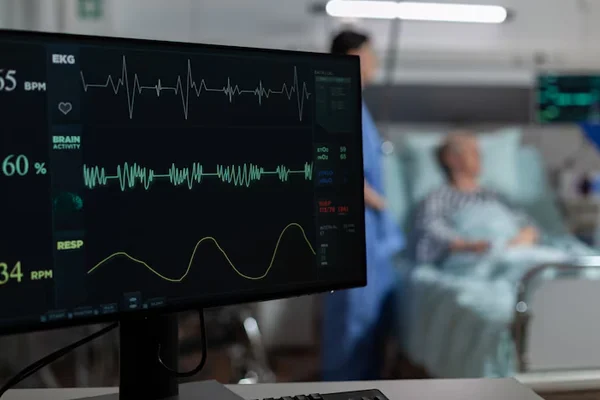
ECG Test
An ECG Test (Electrocardiogram) is a commonly used cardiac investigation that records the electrical activity of the heart. It is a simple, quick, and non-invasive test that can provide important information about heart rhythm and electrical activity. An ECG may be recommended during a routine heart evaluation or when a person experiences symptoms that could be related to the heart.
Dr. Pradeep Kumar Bansal, Chief Interventional Cardiologist and Heart Failure in Jaipur, provides comprehensive cardiac evaluation based on symptoms, medical history, cardiovascular risk factors, and appropriate diagnostic investigations. An ECG may form an important part of the assessment when clinically indicated.
What Is an ECG Test?
An ECG, also known as an Electrocardiogram, records the electrical signals generated by the heart. The heart's electrical system controls the timing and coordination of each heartbeat, and changes in these signals can sometimes provide clues about certain cardiac conditions.
During an ECG, small electrodes are placed on specific areas of the chest and limbs. These electrodes detect electrical activity and transmit the signals to an ECG machine, which produces a graphical recording for interpretation by a healthcare professional.
The test is non-invasive and does not involve injections or exposure to radiation.
Why Is an ECG Test Performed?
An ECG can be used for several reasons depending on a person's symptoms and medical history. A cardiologist may recommend an ECG to evaluate heart rhythm or to support the assessment of certain cardiac concerns.
An ECG may be considered when a patient experiences:
- Chest discomfort
- Palpitations
- Irregular heartbeat
- Dizziness
- Fainting or near-fainting episodes
- Breathlessness
- Unexplained weakness or fatigue
- Reduced exercise tolerance
It may also be used as part of a broader cardiac evaluation for people with known cardiovascular risk factors or previous heart-related concerns.
How Is an ECG Test Performed?
An ECG is generally a straightforward procedure. The patient is asked to lie comfortably while electrodes are placed on the chest and limbs.
The electrodes detect the heart's electrical signals and record them through the ECG machine. The patient usually needs to remain still during the recording so that the electrical tracing can be obtained clearly.
The procedure itself is generally completed within a few minutes. Since the test is non-invasive, there is usually no prolonged recovery period associated with a standard ECG.
What Can an ECG Show?
An ECG provides information about the electrical activity and rhythm of the heart. Depending on the tracing and the clinical situation, it may help identify abnormalities that require further evaluation.
An ECG can provide information about:
- Heart rate
- Heart rhythm
- Electrical conduction
- Certain rhythm abnormalities
- Certain changes associated with cardiac conditions
An ECG is one component of cardiac assessment. A cardiologist interprets the findings along with symptoms, physical examination, medical history, and other relevant investigations.
Who May Need an ECG Test?
An ECG may be recommended for people experiencing symptoms that could be associated with the heart. It may also be considered during evaluation of patients who have cardiovascular risk factors or a known history of heart disease.
People with conditions such as hypertension, diabetes, high cholesterol, or previous cardiac concerns may require cardiac assessment based on their individual medical profile.
The decision to perform an ECG should be based on clinical requirements rather than assuming that every patient needs the same set of tests.
ECG Test for Heart Rhythm Assessment
One of the important uses of an ECG is evaluating the heart's rhythm. Palpitations or a sensation of an irregular heartbeat can have different causes, and an ECG may help provide useful information about the heart's electrical activity.
However, some rhythm abnormalities may occur intermittently and may not be present during a short ECG recording. In such situations, the cardiologist may determine whether additional heart monitoring is appropriate based on the patient's symptoms and clinical history.
ECG as Part of a Heart Checkup
An ECG can be included as part of a broader cardiac assessment when considered appropriate. A comprehensive heart evaluation may involve reviewing symptoms, blood pressure, medical history, family history, lifestyle factors, and cardiovascular risk factors.
The purpose of combining clinical assessment with appropriate investigations is to develop a clearer understanding of the patient's cardiac health.
An ECG should therefore be viewed as one component of a complete cardiac evaluation rather than as a standalone test for every possible heart condition.
ECG Test in Jaipur
Getting an ECG Test in Jaipur from an experienced cardiology team can help ensure that the test is considered within the appropriate clinical context. Dr. Pradeep Kumar Bansal provides specialised cardiac consultation and evaluation for patients with a wide range of cardiovascular concerns.
As a Chief Interventional Cardiologist and Heart Failure Specialist, Dr. Pradeep Kumar Bansal has advanced training in Internal Medicine and Cardiology. His approach involves understanding the patient's symptoms and medical history before determining the appropriate course of cardiac evaluation.
An ECG may be recommended when it can provide useful information for the patient's assessment and ongoing cardiac care.
Why Choose Dr. Pradeep Kumar Bansal?
- Specialised Cardiology Expertise: Dr. Pradeep Kumar Bansal is a Chief Interventional Cardiologist and Heart Failure Specialist.
- Advanced Qualifications: He holds an MD in Internal Medicine and DM in Cardiology.
- Comprehensive Cardiac Evaluation: ECG findings are considered alongside symptoms, medical history, and other relevant clinical information.
- Patient-Focused Care: Cardiac evaluation is tailored according to individual symptoms and healthcare requirements.
- Interventional Cardiology Experience: His professional expertise includes advanced cardiac evaluation and interventional care.
- Preventive Approach: Appropriate cardiac assessment can support early identification and management of cardiovascular concerns.
When Should You Consult a Cardiologist?
A cardiology consultation may be appropriate when you experience recurring palpitations, chest discomfort, breathlessness, dizziness, fainting episodes, unusual fatigue, or reduced tolerance for physical activity.
Patients with cardiovascular risk factors or a previous history of heart-related problems may also require periodic cardiac assessment as advised by their doctor.
Sudden or severe chest pain, significant difficulty breathing, fainting, or other symptoms suggestive of an acute cardiac emergency require immediate medical attention rather than waiting for a routine ECG appointment.
Frequently Asked Questions
1. What is an ECG Test?
An ECG Test is a non-invasive investigation that records the electrical activity of the heart. It provides information about heart rate, rhythm, and electrical conduction.
2. How long does an ECG take?
A standard ECG recording is generally completed within a few minutes. The overall time may vary depending on the clinical setting and evaluation process.
3. Is an ECG Test painful?
No. A standard ECG is non-invasive and does not involve injections or electrical stimulation of the body. Small electrodes are placed on the skin to record the heart's electrical activity.
4. Why might a doctor recommend an ECG?
An ECG may be recommended to evaluate symptoms such as palpitations, chest discomfort, dizziness, fainting, breathlessness, or other concerns that may require cardiac assessment.
5. Can an ECG detect every heart problem?
No. An ECG provides important information about the heart's electrical activity, but it cannot detect every type of heart condition. Additional evaluation may be recommended depending on the patient's symptoms and clinical findings.
6. Where can I consult Dr. Pradeep Kumar Bansal for cardiac evaluation?
Dr. Pradeep Kumar Bansal provides specialised cardiac care at Dhanwantari Hospital and Research Centre, Mansarovar, Jaipur.
Conclusion
An ECG Test in Jaipur is a simple and non-invasive cardiac investigation that can provide valuable information about the heart's electrical activity and rhythm. It may be recommended for patients experiencing symptoms such as palpitations, chest discomfort, dizziness, breathlessness, or other cardiac concerns.
Dr. Pradeep Kumar Bansal combines advanced cardiology training with a comprehensive approach to cardiac evaluation. By considering ECG findings alongside the patient's symptoms, medical history, and risk factors, he can help determine the appropriate next steps for cardiac care.