Heart Monitoring
Heart Monitoring
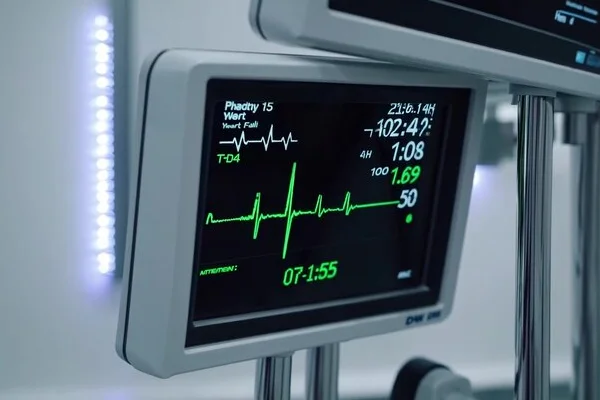
Heart Monitoring is an important part of cardiovascular evaluation, particularly for patients experiencing symptoms such as palpitations, irregular heartbeat, dizziness, unexplained fatigue or episodes of discomfort. Monitoring the heart can provide valuable information about its rhythm and activity over a period of time and may help identify abnormalities that are not always detected during a routine consultation.
Dr. Pradeep Kumar Bansal is a Chief Interventional Cardiologist and Heart Failure in Jaipur, with advanced training in Internal Medicine and Cardiology. He provides comprehensive cardiac evaluation and personalised care based on each patient's symptoms, medical history and cardiovascular requirements.
What Is Heart Monitoring?
Heart Monitoring refers to the assessment of the heart's activity and rhythm over a specific period. Unlike a brief cardiac assessment performed during a consultation, monitoring can provide information about how the heart behaves during daily activities or when symptoms occur.
The type and duration of monitoring depend on the patient's symptoms and the clinical question being evaluated. A cardiologist determines the most appropriate monitoring approach after reviewing the patient's medical history and symptoms.
Heart monitoring may be particularly useful when symptoms are intermittent and may not occur during a short clinical examination.
Why Is Heart Monitoring Important?
The heart normally maintains a regular electrical rhythm, but changes in heart rhythm can sometimes occur temporarily or repeatedly. Some rhythm abnormalities may not be present when a patient undergoes a routine examination.
Heart monitoring can help the cardiologist evaluate:
- Heart rhythm
- Heart rate patterns
- Irregular heartbeats
- Episodes of palpitations
- Changes associated with symptoms
- Abnormal cardiac activity over a monitored period
The information obtained can contribute to a more complete understanding of a patient's cardiovascular condition.
Who May Need Heart Monitoring?
Heart monitoring may be recommended for patients experiencing symptoms that could be associated with changes in heart rhythm or cardiac activity.
A cardiologist may consider monitoring for patients experiencing:
- Recurrent palpitations
- Episodes of rapid or irregular heartbeat
- Unexplained dizziness
- Fainting or near-fainting episodes
- Unexplained fatigue
- Reduced exercise tolerance
- Intermittent cardiac symptoms
- Previously identified rhythm abnormalities
It may also be considered when a doctor needs additional information to evaluate a patient's cardiovascular condition.
Heart Monitoring for Palpitations
Palpitations can feel like pounding, racing, fluttering or skipped heartbeats. They may occur occasionally or repeatedly and can have different causes.
When palpitations are intermittent, a routine ECG may not capture an episode because the abnormal rhythm may not occur during the test.
Heart monitoring can help correlate symptoms with the heart's electrical activity during the monitoring period. This information can help the cardiologist determine whether the symptoms are associated with a cardiac rhythm abnormality.
Heart Monitoring and ECG
An ECG, or Electrocardiogram, records the electrical activity of the heart at a particular point in time. It is an important cardiac investigation and may be performed during a cardiology evaluation.
Heart monitoring, on the other hand, can provide information over a longer period when clinically appropriate.
The cardiologist decides whether a routine ECG, monitoring or another cardiac assessment is appropriate based on the patient's symptoms and medical history.
How Is Heart Monitoring Performed?
The monitoring process depends on the type of cardiac monitoring recommended.
Generally, monitoring involves placing sensors or a monitoring device that records the heart's electrical activity. The patient may continue normal activities according to the instructions provided by the healthcare team.
During the monitoring period, patients may also be asked to note symptoms and their timing. This can help the cardiologist compare the patient's symptoms with the recorded cardiac activity.
The duration of monitoring varies according to the patient's clinical requirements.
Understanding Heart Rhythm
The heart's rhythm is controlled by its electrical system. When electrical signals are generated or conducted abnormally, changes in heart rate or rhythm can occur.
Heart monitoring can help identify patterns that may require further evaluation. However, the interpretation of monitoring results should always be performed in the context of the patient's symptoms, medical history and other cardiac findings.
An abnormal reading does not automatically mean that a serious heart condition is present. The cardiologist evaluates the complete clinical picture before deciding on further management.
Heart Monitoring for Cardiovascular Evaluation
Heart monitoring can be an important component of a broader cardiac assessment. Depending on the patient's condition, the cardiologist may review symptoms, medical history, ECG findings and other relevant cardiac investigations.
For patients with existing cardiovascular conditions, monitoring may also be considered when symptoms change or when additional information about cardiac activity is required.
A personalised approach helps ensure that the monitoring strategy is appropriate for the patient's individual needs.
Benefits of Heart Monitoring
When clinically indicated, heart monitoring can provide useful information about cardiac activity over time.
Potential benefits include:
- Evaluation of intermittent cardiac symptoms
- Assessment of heart rhythm patterns
- Identification of certain rhythm abnormalities
- Correlation of symptoms with cardiac activity
- Additional information beyond a single-time ECG
- Support for personalised cardiac evaluation
The usefulness of monitoring depends on the patient's symptoms and the type of monitoring selected.
Heart Monitoring in Jaipur
For patients seeking Heart Monitoring in Jaipur, Dr. Pradeep Kumar Bansal provides specialised cardiovascular evaluation based on individual symptoms and medical requirements.
His approach involves understanding the patient's clinical history, evaluating symptoms and recommending appropriate cardiac investigations when required. Heart monitoring may form part of a broader cardiac evaluation for patients experiencing intermittent symptoms or concerns related to heart rhythm.
Dr. Pradeep Kumar Bansal practises at Dhanwantari Hospital and Research Centre, Mansarovar, Jaipur.
Why Choose Dr. Pradeep Kumar Bansal?
Dr. Pradeep Kumar Bansal is a Chief Interventional Cardiologist and Heart Failure with MBBS, MD in Internal Medicine from SMS, Jaipur, and DM in Cardiology.
He has also served as Former Assistant Professor of Cardiology at UNMICRC, BJMC, Ahmedabad, adding valuable academic and clinical experience to his cardiology practice.
Patients can benefit from:
- Advanced cardiology training
- Specialised interventional cardiology expertise
- Heart failure expertise
- Detailed cardiovascular assessment
- Personalised cardiac care
- Evidence-based clinical evaluation
- Patient-focused consultation and follow-up
When Should You Consult a Cardiologist?
You should consider a cardiology consultation when you experience recurrent palpitations, unexplained dizziness, fainting, unusual fatigue, breathlessness or other symptoms that may require cardiovascular evaluation.
Patients with a history of heart disease or previously identified rhythm abnormalities may also require regular cardiac assessment.
Sudden severe chest pain, severe breathing difficulty, fainting or symptoms suggestive of a heart attack require urgent medical attention rather than waiting for a routine appointment.
Frequently Asked Questions
1. What is Heart Monitoring?
Heart Monitoring is the assessment of the heart's activity and rhythm over a period of time. It may be recommended when symptoms are intermittent or when additional information about cardiac rhythm is required.
2. Why might I need Heart Monitoring?
Heart monitoring may be recommended for symptoms such as recurrent palpitations, dizziness, fainting, unexplained fatigue or suspected irregular heart rhythm.
3. Is Heart Monitoring the same as an ECG?
No. An ECG records the heart's electrical activity at a specific point in time, while heart monitoring can record cardiac activity over a longer period when clinically indicated.
4. Can Heart Monitoring detect irregular heartbeats?
Heart monitoring can help identify certain irregular heart rhythms occurring during the monitoring period. The results are interpreted by the cardiologist alongside symptoms and other clinical information.
5. How long does heart monitoring take?
The monitoring duration depends on the patient's symptoms and the type of monitoring recommended by the cardiologist.
6. Who provides Heart Monitoring in Jaipur?
Dr. Pradeep Kumar Bansal is a Chief Interventional Cardiologist and Heart Failure providing specialised cardiac evaluation and Heart Monitoring in Jaipur at Dhanwantari Hospital and Research Centre, Mansarovar.
Conclusion
Heart Monitoring can provide valuable information about cardiac rhythm and activity, particularly when symptoms occur intermittently. It can support a more detailed cardiovascular evaluation and help the cardiologist understand patterns that may not be identified during a brief examination.
Dr. Pradeep Kumar Bansal provides specialised Heart Monitoring and comprehensive cardiology care in Jaipur, with an emphasis on detailed evaluation, personalised treatment planning and patient-centred cardiac management.